Skip to content
Guide to the Poland student visa

Poland Student Visa
Updated in 2026
A Poland student visa is a national D visa (wiza krajowa, typ D) that you apply for at a Polish consulate before you enter the country. It lets you come to Poland and stay for study for longer than 90 days. For a longer legal stay after entry, you no longer use a visa but a residence card (karta pobytu), issued by the voivodeship office (urząd wojewódzki).
Below we cover who needs a D visa, which documents to prepare, how to apply, and what to do after you arrive. If you plan to stay for study after entry, see the section on the residence card in Poland first.
| Parameter | D visa | Residence card |
|---|---|---|
| What it is | National visa (consular document) | Residence card (karta pobytu) |
| Stage | Before entering Poland | After entry, during study |
| Where you apply | Consulate or visa centre | Voivodeship office (urząd wojewódzki) |
| When you apply | In your country of residence, before the trip | In Poland, when the visa doesn’t cover the whole study period |
| Validity | Limited, from 90 days to one year | First card up to 15 months, then up to 3 years |
Student visa or residence card: what's the difference
These are two different documents for two different stages, and they are often confused. The visa deals with entry. The residence card deals with a longer stay once you are inside Poland. It’s worth sorting out at the start, because it decides where and when you apply.
D visa: entry and short-term legal stay
You get the national D visa at a Polish consulate or through a visa centre in your country of residence, before you travel. The visa lets you cross the border and stay in Poland legally for the period it is issued for – from 90 days to one year. For a student, this is the way to enter the country and start studying.
Residence card: legal stay after entry
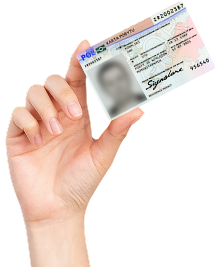
A residence card (karta pobytu) is a residence permit. You apply for it while already in Poland, at the voivodeship office, once it’s clear that your studies will run longer than the visa. The first student card is issued for up to 15 months; if less than that remains until the end of your studies, it covers the study period. Later permits can be issued for up to 3 years. It is a form of temporary residence card in Poland.
Who needs a D student visa
A study D visa is meant for people coming to Poland to study for longer than three months: university students, language and preparatory course students, exchange participants, and some other categories.
Whether you need a visa at all depends on your citizenship and current status. Some nationals can enter visa-free on a biometric passport for a short stay; others must have a visa. There is also a separate case for people already in Poland on another basis. Check the rules for your citizenship with the Polish consulate.

Documents for a Poland student visa
Core package
As a rough guide, the document package is built around several blocks:
- proof of admission to study;
- a valid passport;
- a completed visa application form;
- photos to standard;
- proof of funds;
- health insurance.
The exact list and current forms are set by the consulate – check them before you apply, because requirements change.
Proof of funds and insurance
The consulate separately checks that you have enough money for living and study and health insurance for the required period. Specific amounts are indexed every year, so take them from an official source – the consulate or gov.pl – not from third-party articles. Some documents are the required minimum; others are extra evidence that strengthens the application.
How to apply: step by step
The path from preparing documents to a decision has a few steps.
- Booking and submission. You submit documents at a Polish consulate or through a visa centre in your area; usually you first book an appointment.
- Biometrics and interview. At the appointment you give biometrics (fingerprints, photo) and hand in the package; the consul may ask about the purpose of your trip and your studies.
- Waiting for a decision. The application is reviewed, and the visa is either issued or refused.
Timeline, validity and cost
Processing times depend on the consulate and the seasonal load, so plan to apply early, with a buffer before your studies start. A D visa is issued for a limited period – from 90 days to one year; the exact term and number of entries are set when it is issued.
There is a consular fee for the visa; the amount depends on the visa type and current tariffs. Check the exact figure with the consulate or visa centre at the time you apply.

What to do after entry: moving to a residence card
The visa solves entry, but not the whole of your studies. Once you are in Poland and it’s clear the programme runs longer than the visa, the next step is to apply for a residence card. You apply at the voivodeship office while in the country, and it’s important not to miss the filing window. For an overview of legalisation, see the residence card in Poland.
What to do if the visa is refused
A refusal is not a dead end. It usually comes down to an incomplete document package, insufficient proof of funds, doubts about the purpose of the trip, or mistakes in the form. From there you can fix the cause and reapply, or appeal the decision through the proper channel. If you are dealing with a refusal or aren’t sure how to strengthen the application, it makes sense to discuss the case with a specialist before reapplying.
How MigrantExpert helps
MigrantExpert works on study and legalisation cases in Warsaw, Wrocław, Poznań and Katowice. For your case, a specialist:
- checks the grounds and selects documents for your situation;
- helps fill in the form and prepare the package for filing;
- supports you at the stages covered by the chosen service;
- advises when and how to move to a residence card after entry.
A result can’t be guaranteed – it depends on your documents and the decision of the consulate or voivode. But a well-prepared application lowers the risk of refusal over formalities.
FAQ
Student visa or residence card - which one do I get?
First the D visa, to enter Poland and start studying. Then, once in the country, the residence card, if your studies run longer than the visa. They are two different documents for two different stages.
Do I need a visa to study in Poland?
It depends on your citizenship and current status: some nationals need a D visa, others can enter visa-free for a short stay or hold another status. Check the rules for your citizenship with the Polish consulate.
Can I work while studying on a student visa?
Full-time students can usually work without a separate work permit. It’s one of the advantages of student status; the conditions depend on your basis of stay.
How much does a Poland student visa cost?
There is a consular fee for a D visa; the amount depends on the visa type and current tariffs. Check the exact figure with the consulate or visa centre when you apply.
What happens when the visa runs out?
If your studies continue, you extend your legal stay through a residence card, not by extending the visa. You need to apply in time, while in Poland.
Do I need health insurance?
Yes, health insurance is part of the document package and must cover the required period. Check the required coverage with the consulate.
Reviewed by a MigrantExpert immigration specialist. Entry and legalisation rules change – rely on the current 2026 requirements and check timelines, fees and financial thresholds with the consulate and on gov.pl. Updated in 2026.
A student visa is about entry and documents; a residence card is about a longer stay. Understanding these two stages in advance saves you from avoidable mistakes and missed deadlines.