Skip to content
Work and legalisation in Poland

Work permit in Poland for foreigners: types and paths to legal work
Updated in 2026
A work permit (in Polish, zezwolenie na pracę) is the document that lets a foreigner work legally in Poland. It is one document, but there are several routes to it, and which one applies depends on who you are, where you are from and the kind of job you are taking. Some people only need a simplified procedure, others need a full permit, and some foreigners can work without a separate permit at all.
This guide lays out the whole map: what kinds of permits exist, who needs one and who does not, how the main legalisation routes differ, and how a work permit connects to a work-based residence card – the residence permit that lets you both live and work in Poland.
Work permit or work-based residence card: what is the difference
These two are often confused, yet they cover different things.
A work permit is the right to work. It says that a specific foreigner may do a specific job for a specific employer. On its own it does not give the right to live in Poland.
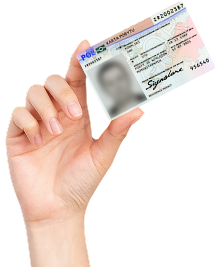
A residence card is the right to reside. It is a residence permit (in Polish, karta pobytu) that legalises the stay itself.
Here is how they connect. To work legally you usually need both grounds: legal stay and legal work. That is why Poland has a combined document – the work-based residence card (a single permit, jednolite zezwolenie na pobyt czasowy i pracę). It covers residence and employment at once, and for many foreigners this is the real goal rather than a stand-alone work permit.
Work permit (zezwolenie na pracę) – a document about the right to work. It is usually obtained by the employer for a specific employee.
Work-based residence card (single permit) – a residence permit that includes both the right to reside and the right to work.
Throughout this guide, “work permit” means the document about the right to work. Moving to a residence permit is covered separately in the section on the residence card.
Who needs a work permit and who does NOT
Not every foreigner needs a separate work permit. Some categories are exempt by law – they may work on the basis of their status, without applying for a separate document. Before you apply, it is worth checking whether you are among the exempt: it saves time and money.
As a rule, a work permit is not required if the foreigner has one of the grounds below. Check the exact, current list against gov.pl / UDSC:
- citizenship of an EU/EEA country or Switzerland;
- EU long-term resident status or permanent residence in Poland – see the EU resident card and permanent residence;
- certain forms of international or temporary protection;
- completing full-time studies at a Polish university and certain categories of students and graduates;
- a number of other categories set by law and secondary regulations.
If your ground is on the current exemption list, you do not need a separate permit – legal stay is enough. If it is not, read on: the next sections help you work out which legalisation route fits your case.

Types of work permits
Under the 2026 rules the system was changed: there are now four official types of work permit, while the old A–E labels are mainly used to make sense of the previous classification. The type depends not on the profession but on how the employment is structured: whether you work directly for a Polish company, sit on a management board, or are posted by a foreign employer.
| Type of permit | Who it fits and key points |
|---|---|
| Permit based on a contract with a Polish employer formerly type A | Fits, for example, if you are taking a job with a Polish firm, shop, factory, warehouse, restaurant, construction company and so on. The employer, not the foreign worker, files the application. The permit is tied to specific work conditions and does not give a general right to work anywhere. |
| Permit for performing a specific function formerly type B For an ordinary employee this is not the right type. | Used when the foreigner performs management functions, for example:
|
| Permit for posting by a foreign company formerly types C, D, E Applies when a person is formally employed by a foreign employer but sent to work in Poland. |
|
| Seasonal work permit zezwolenie na pracę sezonową May be issued for up to 9 months in a calendar year if the conditions are met. The employer files the application. | Applies, for example, to certain work in:
|
For most foreigners taking a job with a Polish company this is the former type A. Highly qualified employment is a separate case: for specialists with a high salary and suitable qualifications an EU Blue Card in Poland may be better than an ordinary permit – see the section on moving to a residence card below.
Legalisation routes: oświadczenie, zezwolenie, powiadomienie
Behind the phrase “work permit” sit several procedures. Three of them are the most common, and they should not be mixed up – each has its own conditions, validity and eligible group.
Oświadczenie (oświadczenie o powierzeniu wykonywania pracy) – a simplified procedure. The employer registers a declaration entrusting work to the foreigner, which allows quicker hiring than a full permit. It is not available to everyone and works within set limits – check the conditions and limits against the current law.
Zezwolenie (zezwolenie na pracę) – a full work permit, described above. This is the main route when the simplified procedures do not apply.
Powiadomienie (powiadomienie) – a notification procedure for certain categories, first of all Ukrainian citizens. Instead of a permit, the employer notifies the relevant office that work has been entrusted. The rules and deadlines of this regime change, so check them against the current law.
| Route | What it is | Who files it |
|---|---|---|
| Oświadczenie | Simplified registration of entrusted work | Employer |
| Zezwolenie | Full work permit | Employer |
| Powiadomienie | Notification instead of a permit (mainly for Ukrainian citizens) | Employer |
In all three cases the initiative and most of the documents are on the employer’s side. If you are an employer hiring foreign staff, see legalisation of foreigners for employers separately.
Work permits for citizens of different countries
The rules depend on the applicant’s citizenship. Below are pointers for the main groups; check the specifics on deadlines and regimes against the current law.
Ukrainian citizens
A special regime applies to Ukrainian citizens. Many are employed through the notification procedure (powiadomienie) rather than an ordinary permit, and residence questions may be handled under special status and temporary protection. The rules and dates of this regime have been extended and adjusted, so always check current sources. For the status context see status for Ukrainian citizens.
Belarusian citizens
Belarusian citizens are one of the groups for whom simplified hiring procedures are available (oświadczenie in particular). The exact conditions and available routes depend on the current regulations.
Russian citizens, visa-free entry and EU citizens
For Russian citizens the general rules apply: as a rule a full work permit is required unless there is a separate exemption. Visa-free entry alone does not grant the right to work – the right to work is determined separately. Citizens of EU/EEA countries and Switzerland work in Poland without a work permit.

How to get a work permit: steps, documents, timelines
In most cases the application is filed by the employer, not the foreigner – the employer starts the procedure and gathers most of the documents. Below is the general logic. The actual processing times and fees depend on the permit type and the voivodeship, so check them against current data.
- Choose the route. The employer and the foreigner work out what fits: oświadczenie, a full work permit, or the notification procedure.
- Prepare the documents. A package is assembled for the employer and for the foreigner.
- File the application. It is submitted to the competent authority – depending on the procedure this is the urząd wojewódzki or the powiatowy urząd pracy.
- Wait for the decision. The authority reviews the application and issues a decision (decyzja). Estimated timelines are confirmed on gov.pl / UDSC.
- Start working legally. Once the document is issued, the foreigner works on the conditions stated in the permit (employer, position, terms).
A work permit is tied to the conditions stated in it. The document package for residence differs from the one for a work permit – if you go on to apply for a residence permit, the section on documents for a work-based residence card will help.
Special cases: seasonal work, students, freelancers, changing employer
Some situations fall outside the general scheme and have their own rules.
Seasonal work. Certain sectors (for example agriculture and tourism) have a seasonal permit (zezwolenie na pracę sezonową), with its own conditions and a time limit within the year.
Working while studying. Full-time students at Polish universities can, under certain conditions, work without a separate permit. If you combine work and study, this is useful: residence card for study.
Freelancing and self-employment. Working for yourself is a separate story, not a work permit with an employer. IT specialists and freelancers have their own legalisation routes: residence permit for programmers and freelancers.
Changing employer. A permit is usually tied to a specific employer, so moving to a new job most often needs a new ground. A residence permit without such a tie is a separate option: residence card not tied to an employer.

After the permit: moving to a residence card and the Blue Card
A work permit settles the work question, not residence. If you plan to live and work in Poland more than briefly, the logical next step is a residence permit that covers both at once.
For most working foreigners this is a work-based residence card – a single permit for temporary residence and work. It combines the right to reside and the right to work in one document, and the foreigner, not the employer, files for it.
For highly qualified specialists on a suitable salary an EU Blue Card in Poland may be a good fit. It is a separate route for highly qualified employment with its own conditions and advantages. What to choose depends on your work, income and plans. If you would rather not sort it out alone, MigrantExpert can help you assess which route fits you.
How MigrantExpert helps with work legalisation
MigrantExpert helps foreigners legalise their work and obtain a work-based residence permit in Poland. We check your grounds, suggest a suitable route and support the application for a work-based residence card at the stages included in the service.
If you are hiring foreign staff as an employer, that is a separate area: legalisation of foreigners for employers.
Frequently asked questions
How does a work permit differ from a work-based residence card?
A work permit gives the right to work but not to live in Poland. A work-based residence card is a residence permit that combines both rights: residence and work.
Who in Poland does not need a work permit?
Certain categories are exempt – for example EU/EEA citizens, holders of some permanent and protection statuses, and some students and graduates. Check the exact list against the current law.
What is oświadczenie and when is it enough instead of a permit?
Oświadczenie is a simplified procedure in which the employer registers entrusted work to a foreigner. It is available to a limited group and works within set limits.
What types of permit are there and how do they differ?
There are now four types: a permit based on a contract with a Polish employer, a permit for performing a specific function (for example a board member), a permit for posting by a foreign company, and a seasonal permit. The old A–E labels map onto these categories.
Do Ukrainian citizens need a work permit?
A special regime applies to Ukrainian citizens: employment often runs through the notification procedure (powiadomienie) rather than an ordinary permit. Check the rules and deadlines against current sources.
How long does a permit take and who files the application?
The employer usually files. Processing times depend on the procedure, the authority and the voivodeship, and are confirmed against current data.
Can I work while studying without a separate permit?
Full-time students at Polish universities can, under certain conditions, work without a separate permit.
What to do after getting the permit - how to get a work-based residence permit?
The next step is a residence permit that covers both residence and work. For most people that is a work-based residence card – temporary residence with the right to work.
MigrantExpert’s specialists can help you work out which legalisation route fits you and apply for a residence permit without mistakes. Let’s talk through your case.